

Past Perfect India
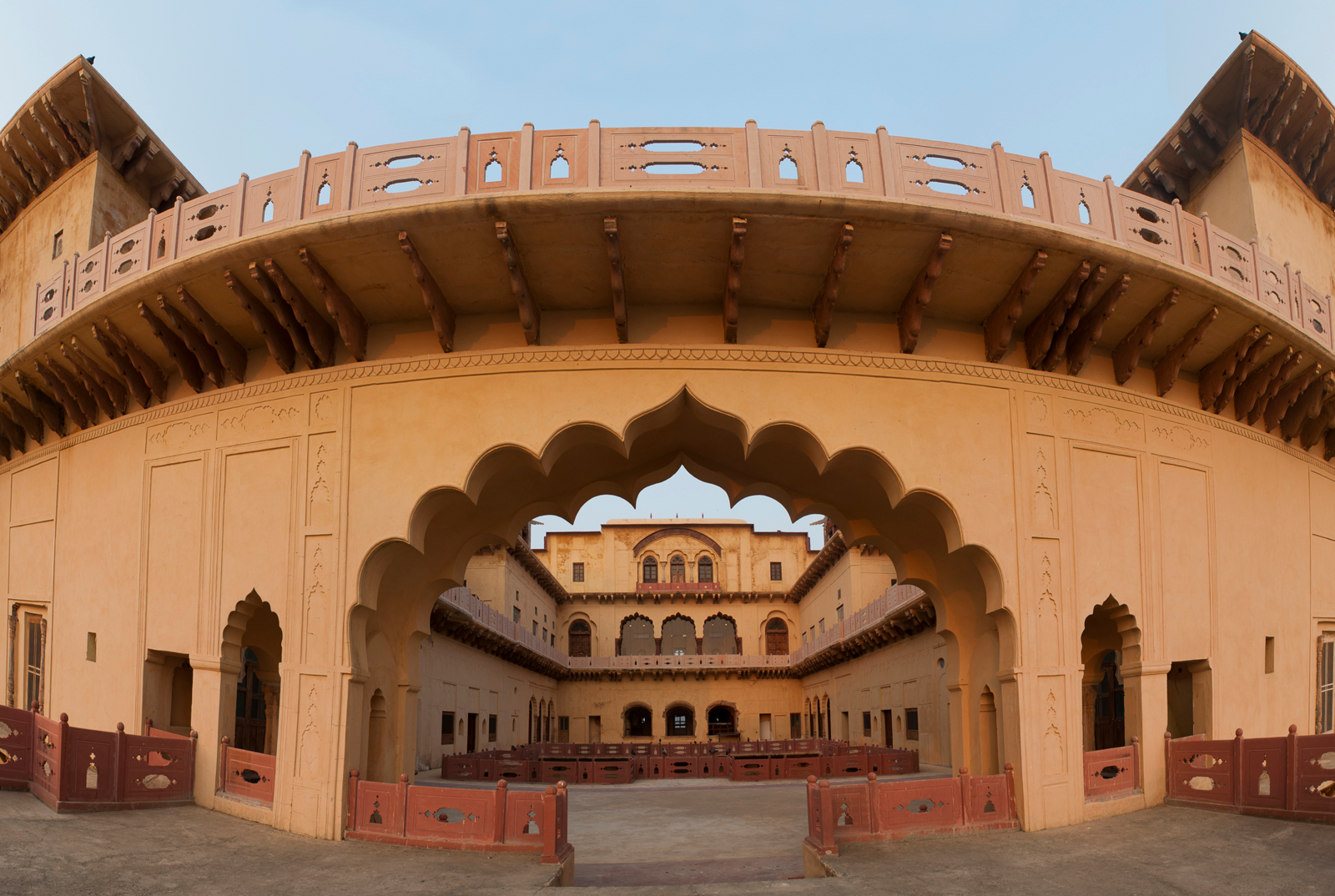
‘Past Perfect India’ exemplifies the art of bringing history back to life. Once a crumbling, unfinished Fort-Palace perched on the Aravalli Hills, it was meticulously restored and adapted into a full-service heritage hotel. We worked on Site Planning and Restoration of Rani Mahal in the complex.
This project bridges centuries — turning forgotten ruins into a vibrant living space that celebrates India’s architectural legacy while meeting modern hospitality needs.
It stands as a tribute to design sensitivity, cultural continuity, and visionary restoration.
we don’t just restore buildings — we revive legacies.

Restoration for Adaptive Reuse — where heritage meets hospitality.
Through sensitive design and sustainable techniques, Bhooma Homes gives history a new purpose and future life to historic buildings.

A crumbling fort becomes a full-service heritage hotel

Before to Now, and on its way to the future.
The restoration of this Fort-Palace redefines time — evolving from ruin to relevance through design and execution that respects both past and progress.
01
Restoration
Restoration and adaptive reuse of a historic Fort-Palace complex in India
02
Transformation
Transformation of a crumbling, unfinished structure into a full-service Heritage Hotel
03
Preservation
Integration of modern amenities while preserving historic building
04
identity & Value
Sustainable reuse enhances cultural identity and tourism value
05
Collaboration
Collaboration with conservation experts, artisans, and craftsmen
Heritage Conservation and Authenticity
The restoration of Rani Mahal at Tijara Fort in India began with stabilizing the decaying structure and preserving its original Rajput design essence. Every wall, arch, and chhatri was carefully restored using traditional lime plaster, stone masonry, and vernacular techniques. Unlike generic restorations, this project honored the authenticity of form and material, reviving the fort’s soul rather than reinventing it.
Adaptive Reuse for Modern Hospitality
Transforming a centuries-old fort into a luxury heritage hotel required deep integration of design and engineering. Modern amenities—suites, courtyards, utilities, and event spaces—were woven into the existing fabric without disturbing its heritage character. Unlike restorations that freeze history, this project redefined adaptive reuse—where heritage and modernity coexist in harmony.
Restoration in Progress: Before to Now, On Its Way for the Future
The journey from ‘ruin to rebirth’ is captured in every phase of this project. From crumbling walls and open skies to living courtyards filled with light, the restoration process became a story of resilience. The heritage building is not merely restored—it continues to evolve, serving as an educational model of how design can regenerate cultural assets responsibly.
Sustainable Heritage and Community Impact
Local artisans and craftsmen were engaged throughout the restoration, reviving traditional skills and fostering employment. Sustainable materials, climate-responsive planning, and minimal intervention principles ensured ecological harmony. Today, Rani Mahal at Tijara Fort stands not only as a heritage hotel but as a catalyst for local pride, sustainable tourism, and architectural preservation.
Ready to restore history and reimagine the future like RANI MAHAL AT TIJARA IN India?
Let’s create your legacy through design and restoration.